
My Affair with the Chipmunk
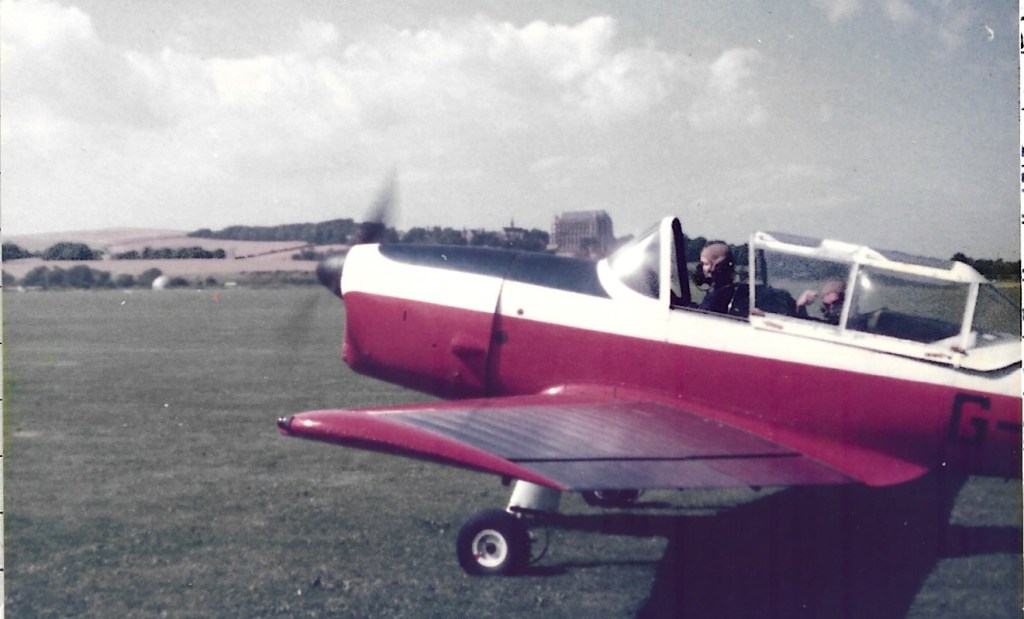
My conversion onto tail-wheel aircraft took place in a DHC-1 Chipmunk, G-BBMZ, on 25 May 1978. “MZ” was based at Shoreham and operated by Toon Ghose Aviation. I flew her for about four months that summer, and she instilled in me a deep and enduring affection for the ubiquitous Chipmunk.
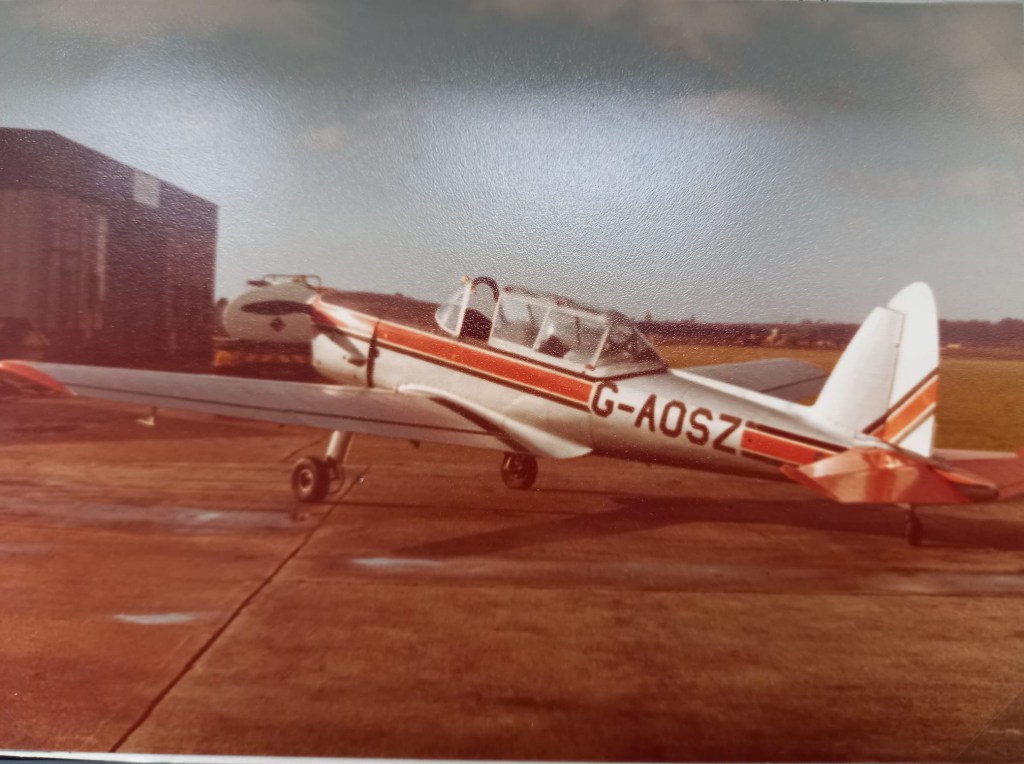
It was through flying “MZ” that I was introduced to John Flavel and John Pothecary. “John Poth”, who owned the Air South Flying Group, gave me a check ride in G-AOSZ. Soon afterwards, I began flying as a shotgun rider for Air South at Shoreham and also carried out actual check rides in “SZ”, which at the time wore British Island Airways markings because Peter Villas, who owned the airline, had a share in the aircraft. Those were the days before difference training became a separate class.
All the Chipmunks I flew had equally delightful handling characteristics. However, there were many small differences between them, most of which were found inside the cockpit. The starter button could be in different locations, the radios might be mounted either below or above the instrument panel, and the electrical panel could be found either to the pilot’s left or perched on top of the main panel.
G-AOSZ, however, differed more significantly from the others. Having come out of service at an early age, she had never been fitted with an electric starter. Instead, beneath the starboard side of the cowling sat a Coffman starter.
The early de Havilland Chipmunks were fitted with this pyrotechnic “shotgun starter”, which used a 12-gauge blank cartridge rather than an electrical battery to spin the engine into life. Beneath the instrument panel was a caged ring-pull. The pilot would engage the starter from the cockpit, producing a sharp bang and a cloud of smoke as the engine, hopefully, burst into life.
G-AOSZ also carried only a crystal-controlled radio set, providing just three selectable frequencies, A, B and C which corresponded to Shoreham, Sandown and Goodwood. Anywhere else meant operating non-radio. Added to that, she retained the narrow-chord rudder and lacked the anti-spin strakes fitted to later aircraft. When tuned into (A) Shoreham on 125.40 and passing approximately 300ft. Gatwick Volmet would also pound into your ears due to the bandwidth of the crystal.
From there, my association with Chipmunks steadily broadened. I later went on to fly G-APPM with its owner, Paul Evans, and eventually bought a share in G-BBMW.
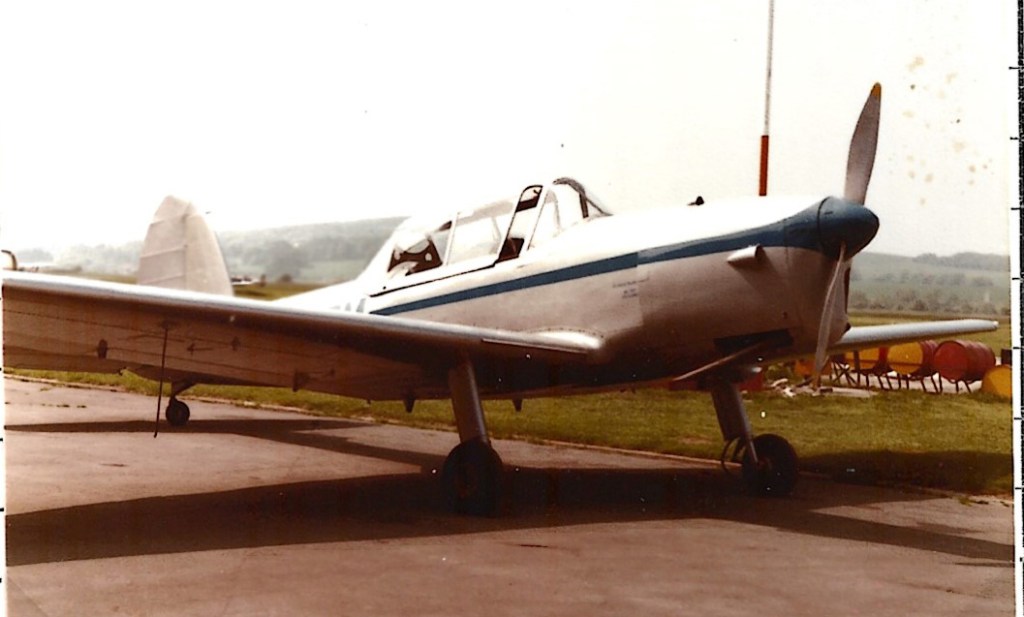
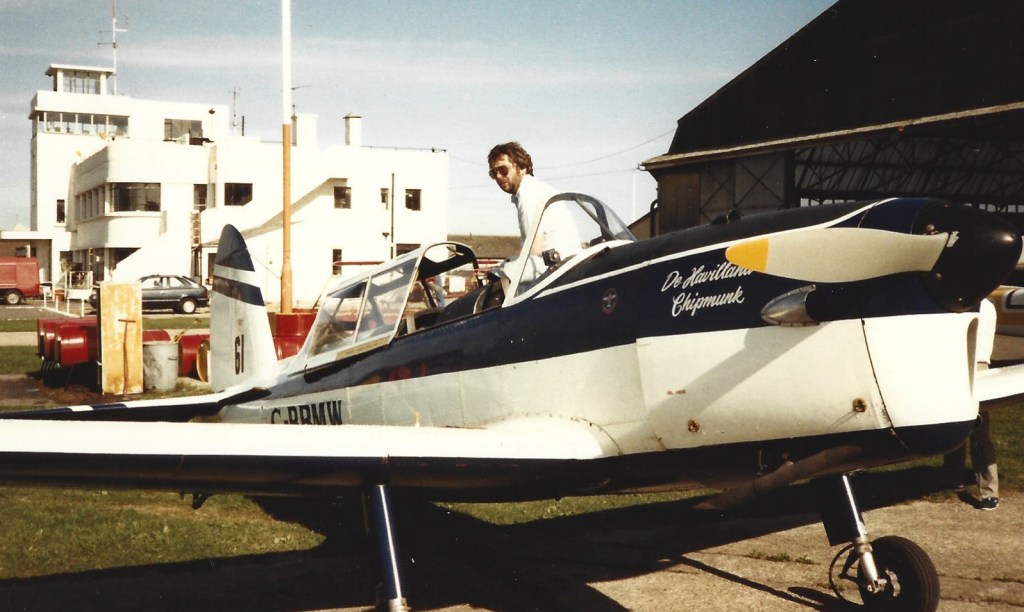
In 1999, I obtained a short-lived display authorisation on G-BBMW and managed only a handful of displays in G-BCAH, which was owned by Andrew Edie. In those days there seemed to be little enthusiasm for solo Chipmunk displays.
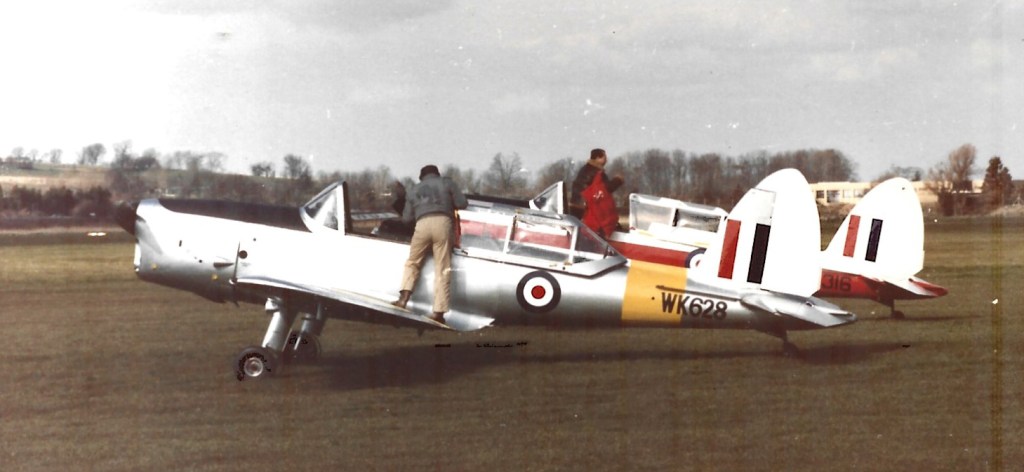
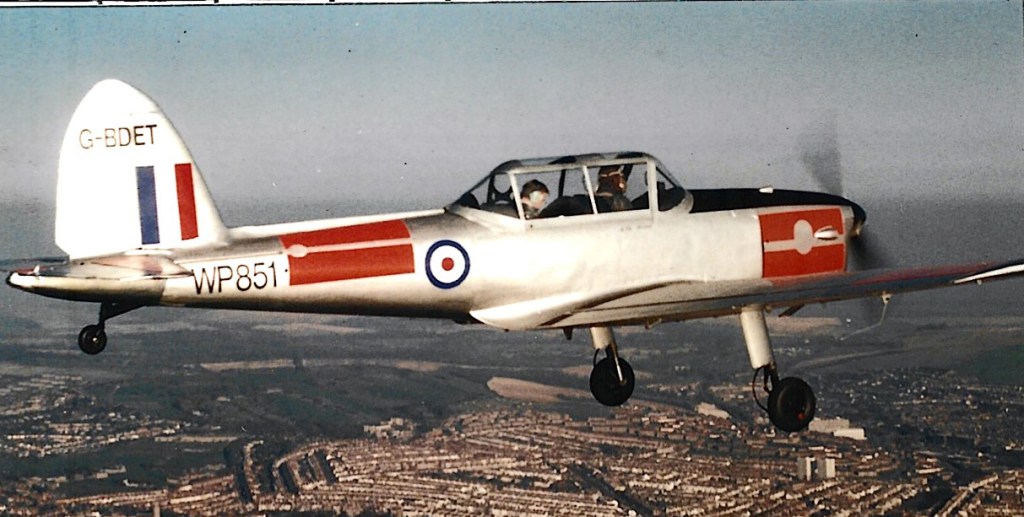
Then there was G-BDET, owned by a Danish gentleman and based in Denmark while still carrying a British registration. For a time it was kept at Washington Airstrip, during its CofA and I flew it a few times during its stay there in 1989. Later, I flew it from the Washington strip to Shoreham airfield so that the owner could take the aircraft back to Denmark.
Around that time, Andrew Edie bought the “Royal Chipmunk”, G-BCGC, and I was fortunate enough to log a few treasured hours in that very Royal aircraft. My final flight in “GC” was on 18 April 1999, when I positioned her to North Weald for delivery to her new owners.
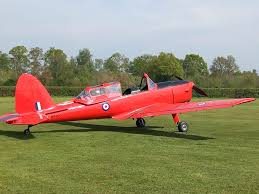
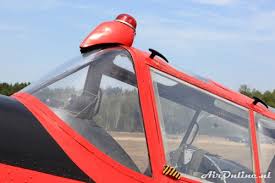
Andrew also bought the Ford Sapphire-powered Chipmunk from Bill Bonner. Alas, it seems Bill never succeeded in getting the engine cleared by the CAA. The aircraft, G-ARWB (WK11), was sold on, and Andrew immediately converted the Chippie back to Gipsy power. I flew it a couple of times. I remember that the spinner was not authentic; if memory serves me correctly, it came from a Cessna. A photograph I have of myself formating on G-BBMW shows it had a rather pointed spinner.
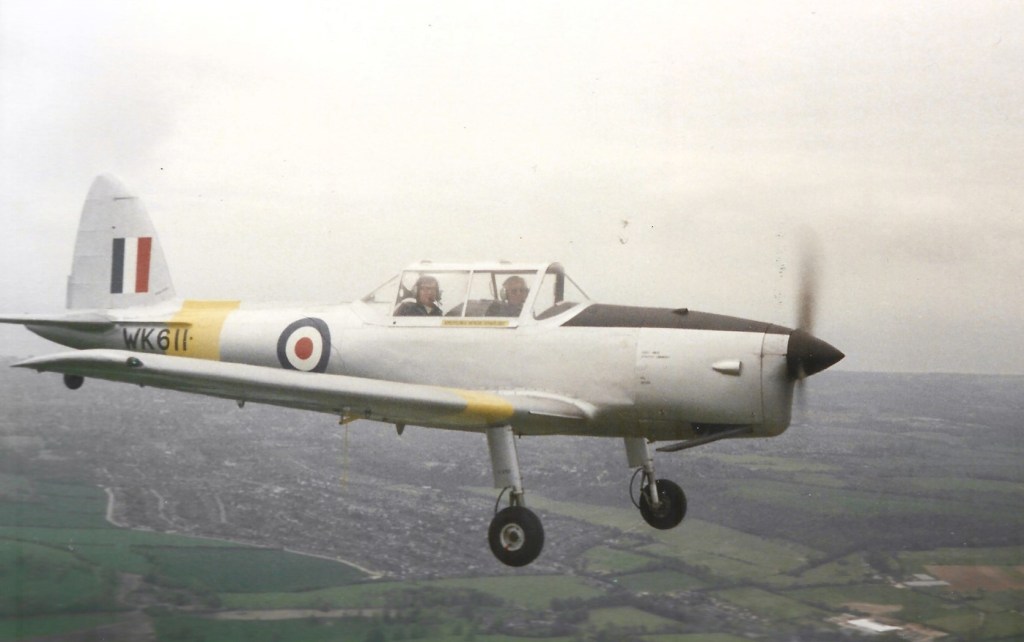
Through all of this, however, my long-running affair with good old “MW” continued.
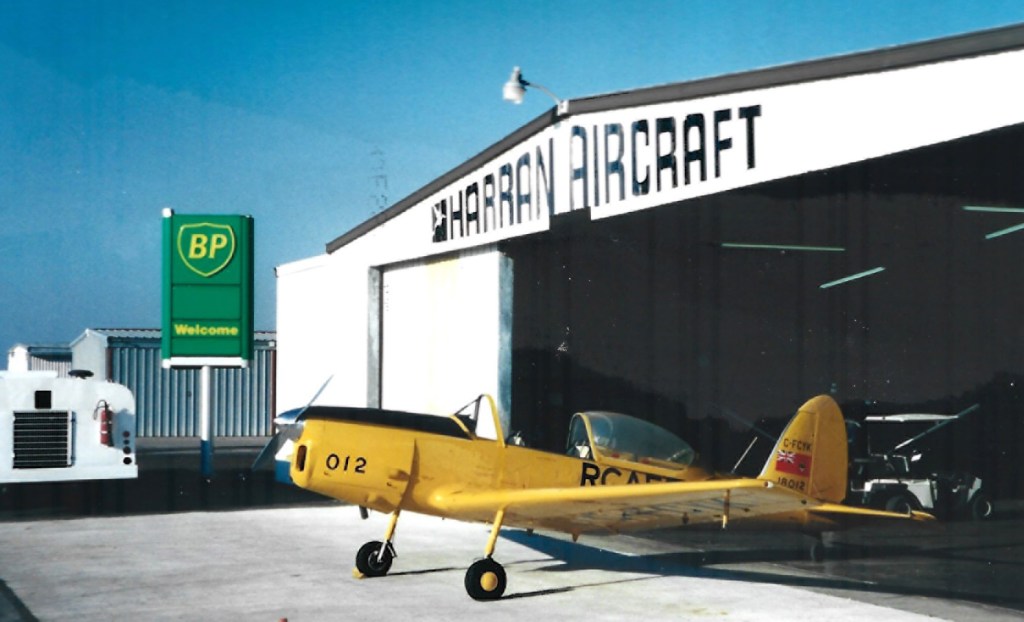
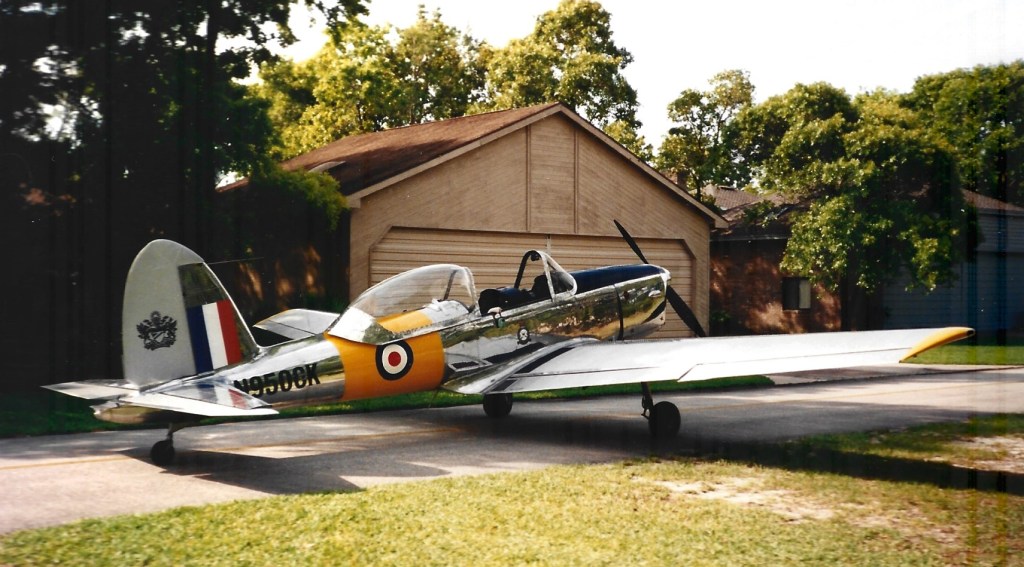
During a visit to Oklahoma in 1999, I was introduced to Ike “Red” Enns, a Canadian bush pilot who spent the winters in Muskogee. Ike owned C-FCYK, a Canadian-built Chipmunk, and kept it at Davis Field on the edge of Muskogee. It simply had to be done and I obtained another Chippie in the logbook. But this one had a beautiful bubble canopy
Ike also owned a P-51 Mustang, but that is another story.
In March 2000, I had the opportunity to fly another Canadian-built Chipmunk at Spruce Creek, Florida. This was Mike Keemar’s N950CK. She was again a beautiful machine, fitted with that bubble canopy and, like Ike’s aircraft, had many subtle differences from the British-built Chipmunks.
In January 2004, I completed my biennial check ride in Chipmunk G-BZGA at Shoreham’s Real Flying Company—the only flight I ever logged in that aircraft.
Then, in March 2004, I met Joe Quinn and his Chipmunk, G-AOFE. Joe and I hit it off immediately, and for the next nineteen years we flew “EFFIE”, as I always called her, far and wide together.
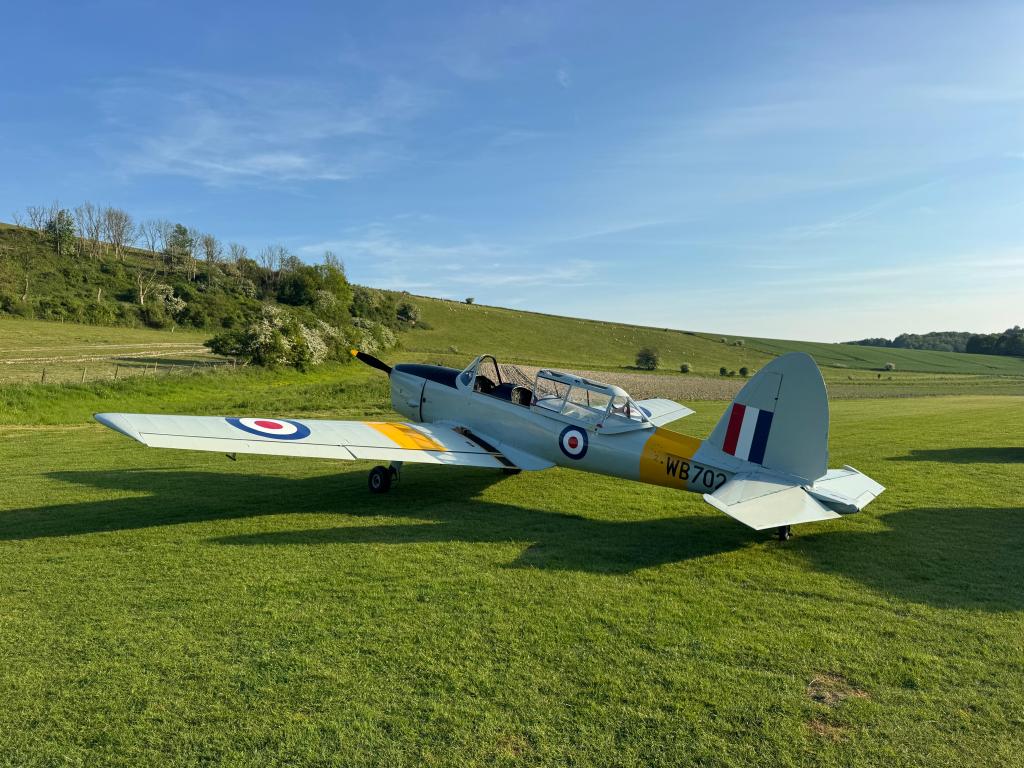
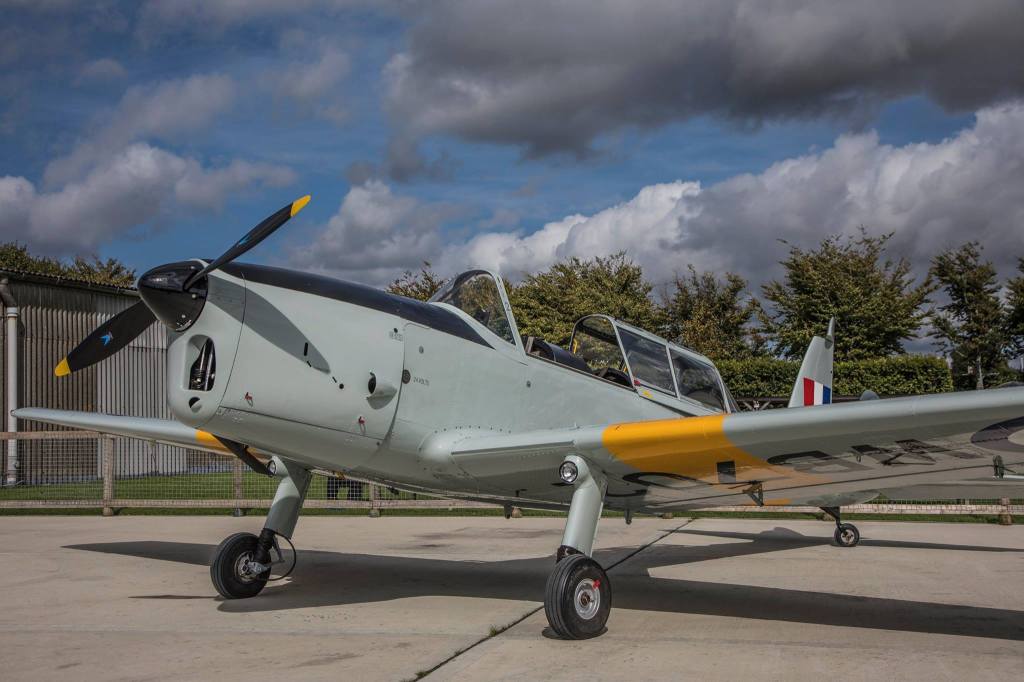
Then, suddenly, in 2023, Joe suffered an aneurysm from which, sadly, he has never recovered.
Since then, I have continued doing all I can to help keep “EFFIE” airworthy for Joe’s children until they decide what they wish to do with her.
And so, this bittersweet relationship with “EFFIE” continues to this day, but sadly, without my friend Joe.
Looking back over the years, it is remarkable how much of my flying life has been tied to the De havilland Chipmunk. Different aircraft, different owners, different airfields, yet always the same unmistakable character: honest handling, elegance in the air, and all around friendships with people that lasted far longer than any logbook entry.
The Chipmunk was never simply an aeroplane to me. It became a thread running through decades of flying, linking people, places, memories, and moments that still feel vivid today.


Leave a Reply